Condenser Tube Cleaning: Methods and Equipment Compared
Condenser tube cleaning methods compared: online ball systems, water jetting, chemical cleaning and rotary tube cleaners, with how to choose GT1000 or L-series.
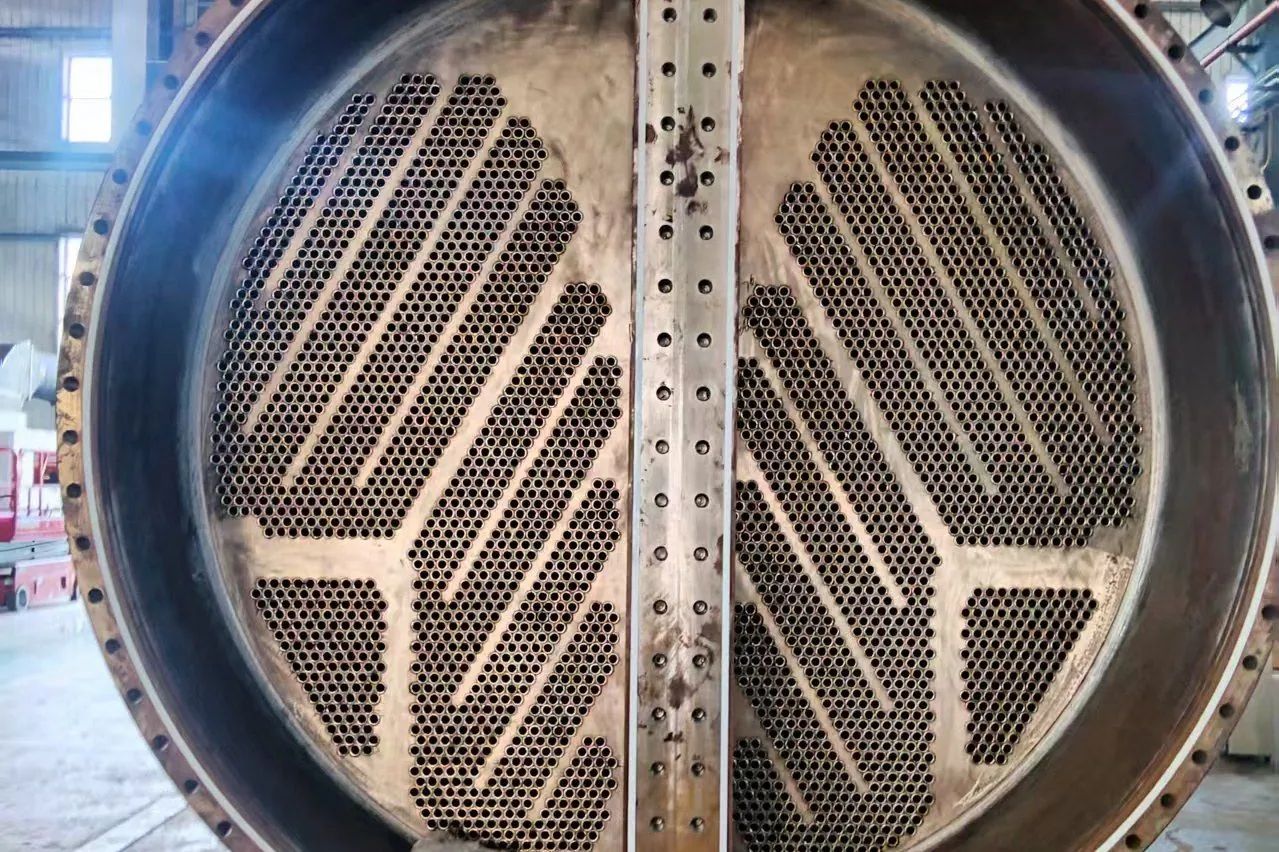
Condenser performance depends on clean tube bores. Silt, biofilm, scale and debris on the cooling-water side add resistance to heat transfer, so the condenser runs at a higher backpressure and the turbine produces less power for the same steam flow. Deposits also hold corrosive conditions against the tube wall and can lead to pitting and leaks.
This article compares the common cleaning methods and explains where a rotary tube cleaner fits, with Lanbo's GT1000 and L-series machines as examples.
What fouls condenser tubes
The type of deposit decides the cleaning method:
- Biofouling and slime from untreated or poorly treated cooling water. Soft, but it traps silt.
- Silt and sediment, common with river and seawater cooling.
- Scale such as calcium carbonate, where cooling tower water is concentrated. Hard and adherent.
- Debris — shells, plastic, wood — that lodges at the tube inlet and blocks the tube.
- Corrosion products from the tube or upstream piping.
Most condensers see a mix. Take samples from several areas of the tubesheet before choosing a method.
Cleaning methods
Online ball cleaning
Sponge balls circulate through the tubes with the cooling water while the unit is running. This slows the build-up of soft deposits but does not remove hard scale or debris that is already lodged. Balls can also be lost into blocked tubes. Online systems reduce how often offline cleaning is needed rather than replacing it.
High-pressure water jetting
A lance with a high-pressure nozzle is pushed through each tube. Jetting removes silt and soft deposits well. Hard scale can need high pressure and multiple passes. It requires a high-pressure pump, careful operator protection and water disposal.
Chemical cleaning
Acid or chelant solutions are circulated through the waterbox to dissolve scale. Chemical cleaning reaches every tube at once, but it needs compatibility checks with the tube material — copper alloys, stainless steel and titanium respond differently — plus neutralisation and waste handling. It is usually planned as a separate project.
Rotary tube cleaners
A rotary tube cleaner drives a flexible shaft with a brush or cutter head through each tube while water flushes the loosened material out. It handles soft deposits and hard scale with the right head, and it opens fully blocked tubes. It uses ordinary site water and electricity and needs no chemicals. Each tube is cleaned and checked one at a time, which makes it practical for maintenance outages and for preparing tubes for inspection or leak testing.
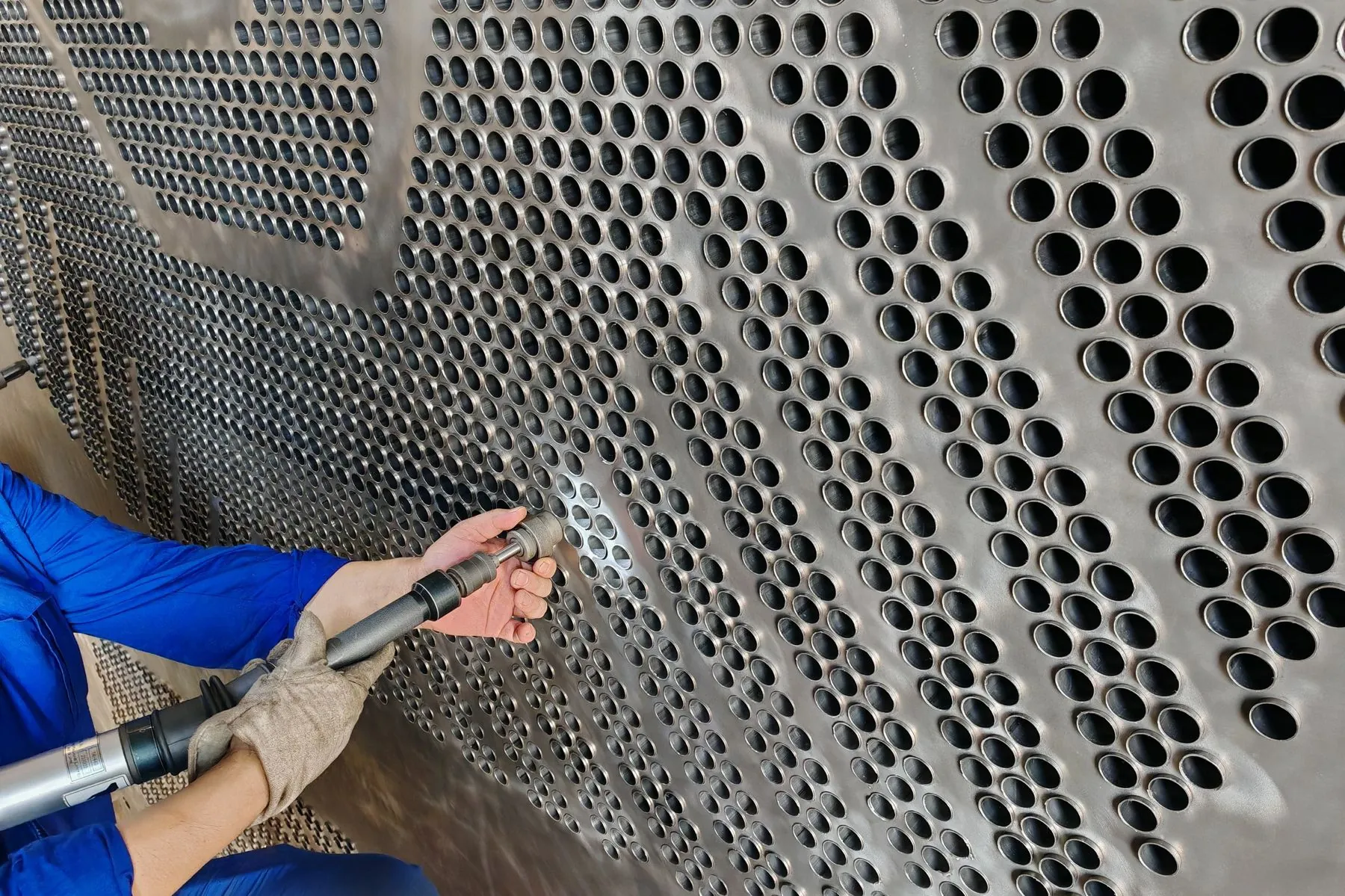
Lanbo condenser tube cleaners
GT1000 Condenser Tube Cleaner
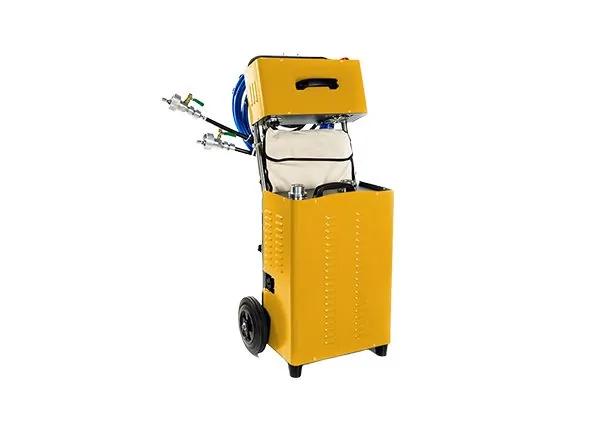
The GT1000 Condenser Tube Cleaner is Lanbo's own machine for cleaning condenser tubes. It is suited to maintenance teams that clean condensers during each outage. Send us the tube ID, tube length, material and deposit type, and we will confirm the shaft and head set.
L-series tube cleaners
The L series offers several models; tell us the tube size and workload and we will suggest one:
- L-101 Tube Cleaner (Basic Model) — the basic model.
- L-202 Tube Cleaner
- L-203 Twin-Shaft Tube Cleaner — two shafts, so two tubes can be cleaned at once.
- L-208 Tube Cleaner (Professional Model) — the professional model.
Choosing heads for condenser tubes
Condenser tubes are thin-walled, often copper alloy, stainless steel or titanium. The head should remove the deposit without scratching the tube surface or the protective oxide film.
- Nylon brushes for biofilm, silt and soft deposits; suitable for copper alloy tubes.
- Stainless or brass wire brushes for firmer deposits, matched to the tube material.
- Cutter or drill heads for hard scale and blocked tubes, used with care on thin walls.
Measure the tube ID and size the head to it. A head that is too tight wears the tube; one that is too loose leaves a deposit ring.
A practical cleaning sequence
- Isolate and drain the waterbox following site permit rules. Ventilate before entry.
- Remove debris from the tubesheet face and the tube inlets by hand.
- Clean each tube with the rotary cleaner, flushing continuously. Mark cleaned tubes on the tubesheet.
- Open blocked tubes with a cutter head, then follow with a brush.
- Inspect a sample of tubes, and run eddy-current testing if planned.
- Leak test where the plant suspects in-leakage, using the Vacuum Tube Leak Detector on clean tubes.
Clean tubes also make retubing work easier: when a condenser is due for replacement, Lanbo supplies the tools for each stage, from internal cutters and hydraulic pullers to the SR Series Servo Tube Rolling System.
Lanbo tools for this job
- GT1000 Condenser Tube Cleaner
- L-101, L-202, L-203 twin-shaft and L-208 tube cleaners
- Vacuum Tube Leak Detector — checking tubes after cleaning
Send the tube ID, length, material, tube count and the type of deposit, and we will recommend a cleaner and head set. Request a quote.
FAQ
Does an online ball cleaning system make offline cleaning unnecessary?
No. Ball systems slow the build-up of soft deposits during operation, but they do not remove hard scale or lodged debris. Offline mechanical cleaning is still needed during outages.
Which brush is suitable for copper alloy condenser tubes?
Nylon brushes are commonly used on copper alloy tubes for biofilm and silt, because they clean without scratching the tube surface. Harder deposits may need a wire brush matched to the tube material.
What is the advantage of the L-203 twin-shaft cleaner?
It has two shafts, so two tubes can be cleaned at the same time, which helps on condensers with large tube counts.
Should tubes be cleaned before leak testing?
Yes. Deposits can block a small leak or stop the detector from sealing on the tube end, so clean tubes give more reliable leak test results.